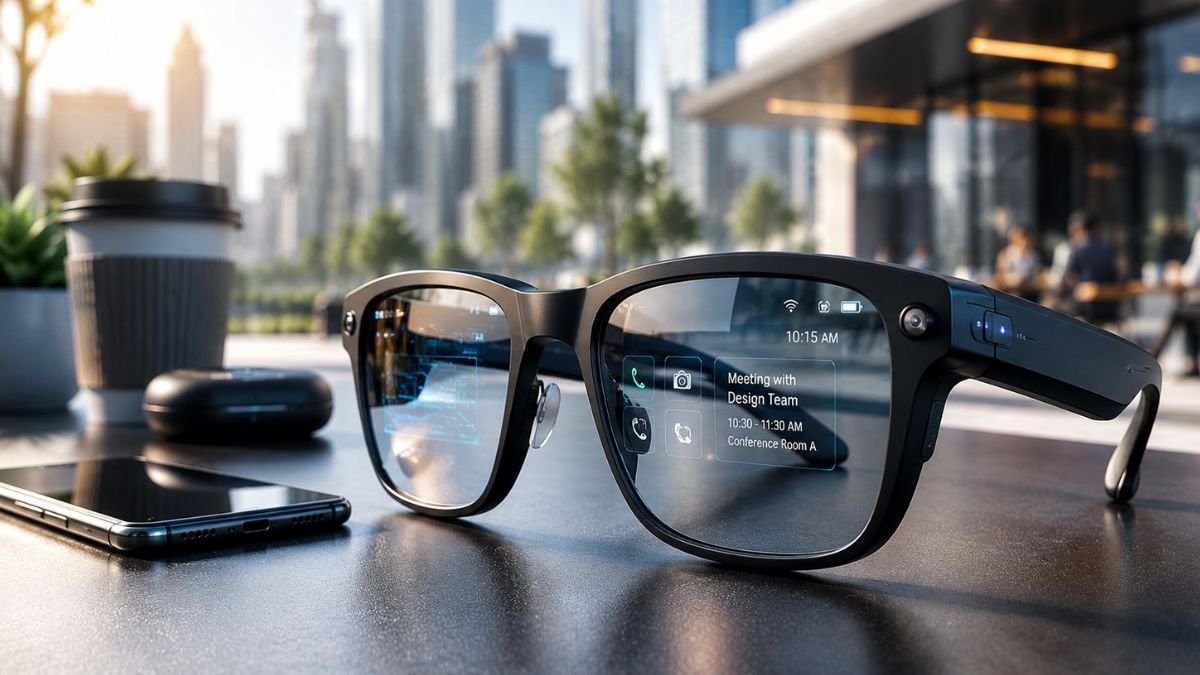
AI smart glasses combine artificial intelligence, wearable technology, and augmented reality to provide hands-free access to information, communication, navigation, and productivity tools.
Modern AI smart glasses in 2026 offer practical features such as voice assistance, real-time translation, smart notifications, and seamless smartphone integration while remaining lightweight and comfortable enough for daily wear.
For years, smart glasses were viewed as futuristic gadgets that seemed more at home in science fiction than in everyday life. That perception is rapidly changing.
Advances in artificial intelligence, augmented reality, miniaturized hardware, and wearable technology have transformed smart eyewear into one of the most exciting consumer tech categories available today.
According to data published by Statista, the global wearable technology market continues to expand as consumers seek devices that provide convenience without requiring constant interaction with smartphones. AI smart glasses are emerging as a key part of this trend.
Unlike traditional glasses, these devices can deliver notifications, navigation assistance, translation services, voice commands, and AI-powered support directly within the user’s field of view.
For professionals, travelers, content creators, and technology enthusiasts, smart eyewear offers a glimpse into a more connected and efficient future.
AI smart glasses are part of a larger ecosystem of intelligent devices transforming everyday technology. Explore more innovations in our complete guide to AI gadgets worth buying in 2026.
As the technology matures, several models have become practical enough for everyday use. Understanding which features matter most can help users evaluate how AI smart glasses fit into their lifestyle.
What Are AI Smart Glasses?
AI smart glasses are wearable devices that combine traditional eyewear with artificial intelligence, sensors, cameras, microphones, and digital displays to provide enhanced information and functionality.
Unlike standard smart glasses from previous generations, modern AI-powered glasses can:
- Process voice commands
- Provide real-time information
- Translate conversations
- Deliver navigation assistance
- Interact with AI assistants
- Capture photos and videos
- Display contextual information
The integration of artificial intelligence allows these devices to become increasingly personalized and useful over time.
AI smart glasses are wearable computers that use artificial intelligence and augmented reality technologies to provide hands-free access to information and digital services.
Why AI Smart Glasses Are Becoming Popular
Several technological developments have accelerated the adoption of smart eyewear.
Artificial Intelligence Has Improved
Modern AI systems can now understand natural language more effectively than previous generations.
Research from Google AI Research highlights ongoing improvements in contextual understanding, voice recognition, and personalized assistance that directly benefit wearable devices.
Hardware Has Become Smaller
One of the biggest challenges for smart glasses was creating compact hardware without sacrificing functionality.
Recent advances have allowed manufacturers to build lighter devices that more closely resemble traditional eyewear.
Consumers Want Hands-Free Technology
Many users are looking for alternatives to constantly checking smartphones.
AI smart glasses provide information without requiring users to stop what they are doing.
Key Features to Look for in AI Smart Glasses
Not all smart eyewear offers the same capabilities.
AI Voice Assistance
Voice control remains one of the most useful features.
Voice-based interactions are becoming a key part of modern AI devices. Learn how these technologies are changing daily routines in our guide to AI voice assistants.
Users can:
- Send messages
- Ask questions
- Set reminders
- Retrieve information
without touching their phones.
Augmented Reality Displays
Some models include AR smart glasses functionality.
These displays can show:
- Directions
- Notifications
- Contextual information
- Real-time updates
directly within the user’s view.
Real-Time Translation
One of the most impressive developments involves language translation.
Many AI glasses can now provide:
- Spoken translation
- Text translation
- Multilingual communication assistance
This feature is especially useful for travel and international business.
Translation capabilities are becoming one of the most practical uses of artificial intelligence in consumer devices. Explore more options in our comparison of AI translator devices.
Camera Integration
Certain smart glasses include built-in cameras for:
- Photos
- Videos
- Livestreaming
- Visual recognition
Camera quality varies significantly between models.
Best Features of AI Smart Glasses for Everyday Use
Comfort and Design
The best smart glasses are comfortable enough to wear for extended periods.
Important factors include:
- Weight
- Frame design
- Battery placement
- Lens options
Consumers are more likely to adopt devices that look and feel similar to traditional eyewear.
Battery Life
Battery performance remains one of the most important considerations.
Ideal devices should provide:
- Full-day usage
- Fast charging
- Efficient power management
Smartphone Integration
Strong integration with existing devices improves usability.
Look for compatibility with:
- Android devices
- iPhones
- Smart home systems
- Productivity apps
Comparison of Important AI Smart Glasses Features
| Feature | Everyday Importance | Benefit |
|---|---|---|
| Voice Assistant | High | Hands-free interaction |
| AR Display | High | Information overlay |
| Translation | Medium-High | Travel and communication |
| Camera | Medium | Content creation |
| Battery Life | Very High | Daily usability |
| Smartphone Integration | Very High | Convenience |
This comparison highlights the features most likely to influence daily user experience.
AI Smart Glasses vs Smartphones
Some consumers wonder whether smart glasses can replace smartphones.
The reality is more nuanced.
Advantages of Smart Glasses
- Hands-free operation
- Faster information access
- Greater convenience during activities
- Reduced screen interaction
Advantages of Smartphones
- Larger displays
- More applications
- Better content creation tools
- Greater computing power
Currently, smart glasses function best as companions rather than replacements.
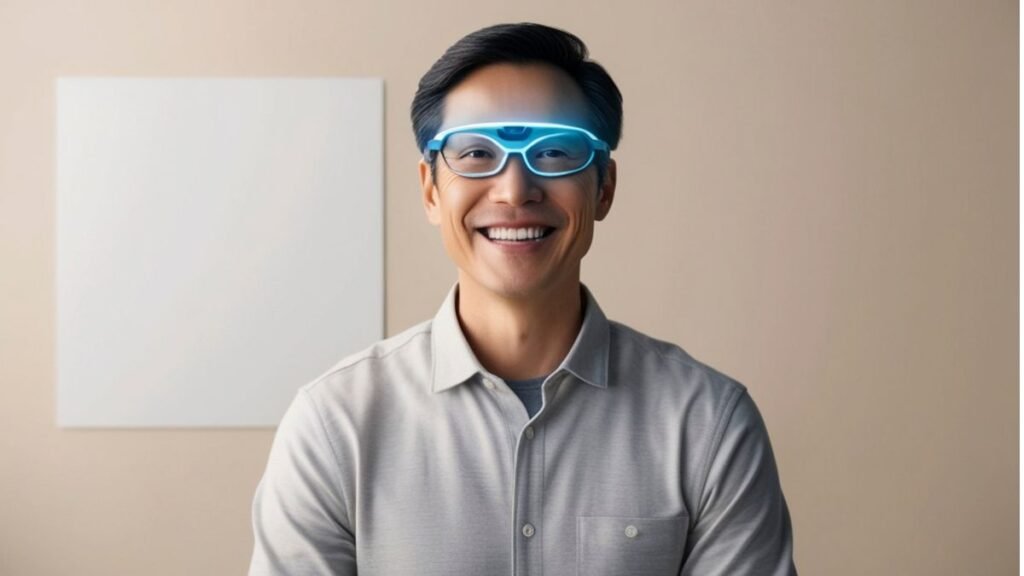
AI smart glasses are designed to complement smartphones by providing faster, hands-free access to information rather than replacing traditional mobile devices entirely.
Everyday Uses for AI Smart Glasses
Navigation
Walking or cycling while following directions becomes more convenient when instructions appear directly within the user’s field of view.
Communication
Users can:
- Read notifications
- Receive messages
- Access AI assistants
without removing a phone from their pocket.
Travel
Travelers benefit from:
- Translation features
- Navigation assistance
- Local information
- Hands-free convenience
Productivity
Professionals use AI wearable devices for:
AI wearables are also becoming valuable productivity tools for professionals. Discover more examples in our guide to AI productivity gadgets.
- Scheduling
- Reminders
- Quick information access
- Communication management
These capabilities can reduce interruptions and improve efficiency.
Challenges AI Smart Glasses Still Face
Despite rapid progress, several challenges remain.
Battery Constraints
Smaller devices have limited space for batteries.
Manufacturers continue to balance performance and battery life.
Privacy Concerns
Smart glasses with cameras raise privacy questions.
Many manufacturers now include visible indicators when recording is active.
Cost
Advanced models remain more expensive than traditional eyewear.
However, increased competition is gradually improving affordability.
According to technology coverage from MIT Technology Review, wearable technology costs often decrease as adoption increases and production scales improve.
The Future of AI Smart Glasses
The future of smart eyewear appears promising.
Several trends are expected to drive innovation:
Better Artificial Intelligence
Future devices will likely provide:
- Improved contextual awareness
- More natural conversations
- Better predictive assistance
Enhanced Augmented Reality
Displays will become:
- Brighter
- More efficient
- Less intrusive
while providing richer information.
Greater Adoption
As designs become more fashionable and practical, adoption rates are expected to increase significantly.
Expanded Ecosystems
Smart glasses will likely integrate more deeply with:
- Smart homes
- Vehicles
- Wearable devices
- Workplace systems
This could transform them into central hubs for personal technology.
How to Choose the Right AI Smart Glasses
Before evaluating different AI smart glasses, consider these factors:
- Determine your primary use case.
- Evaluate comfort and design.
- Check battery performance.
- Assess smartphone compatibility.
- Review privacy features.
- Compare software ecosystems.
The best model depends on individual needs rather than specifications alone.

Conclusion
AI smart glasses have evolved from experimental technology into practical wearable devices capable of improving communication, productivity, navigation, and everyday convenience.
Smart glasses are only one example of how emerging technology is shaping consumer devices. Explore more innovations in our guide to future technology gadgets.
With advances in artificial intelligence, augmented reality, and wearable hardware, today’s smart glasses offer far more value than earlier generations.
While challenges such as battery life and cost remain, the technology continues to mature rapidly. For users seeking hands-free access to information and digital services, AI smart glasses represent one of the most exciting categories in modern consumer technology.
As future wearable technology continues to evolve, smart eyewear is likely to become an increasingly common part of daily life.
AI Smart Glasses FAQ
What are AI smart glasses?
AI smart glasses are wearable devices that combine eyewear with artificial intelligence, sensors, cameras, microphones, and digital displays to provide hands-free access to information and digital services.
Are AI Smart Glasses Worth It?
For users interested in productivity, travel, navigation, or hands-free communication, AI smart glasses can provide significant convenience and practical benefits.
Can AI smart glasses replace smartphones?
Currently, smart glasses work best as companion devices rather than complete smartphone replacements because smartphones still offer larger displays and broader functionality.
Do AI smart glasses have augmented reality features?
Many modern models include augmented reality capabilities that display navigation, notifications, and contextual information within the user’s field of view.
How long does the battery last on AI smart glasses?
Battery life varies by model and usage patterns. Most devices offer several hours of active use and can often last a full day with moderate usage.
Are AI smart glasses safe to use?
Most manufacturers incorporate safety and privacy features, including recording indicators and user-controlled permissions, to address privacy concerns.
What is the future of AI smart glasses?
Future developments are expected to include better AI assistance, improved augmented reality displays, longer battery life, and deeper integration with smart ecosystems.