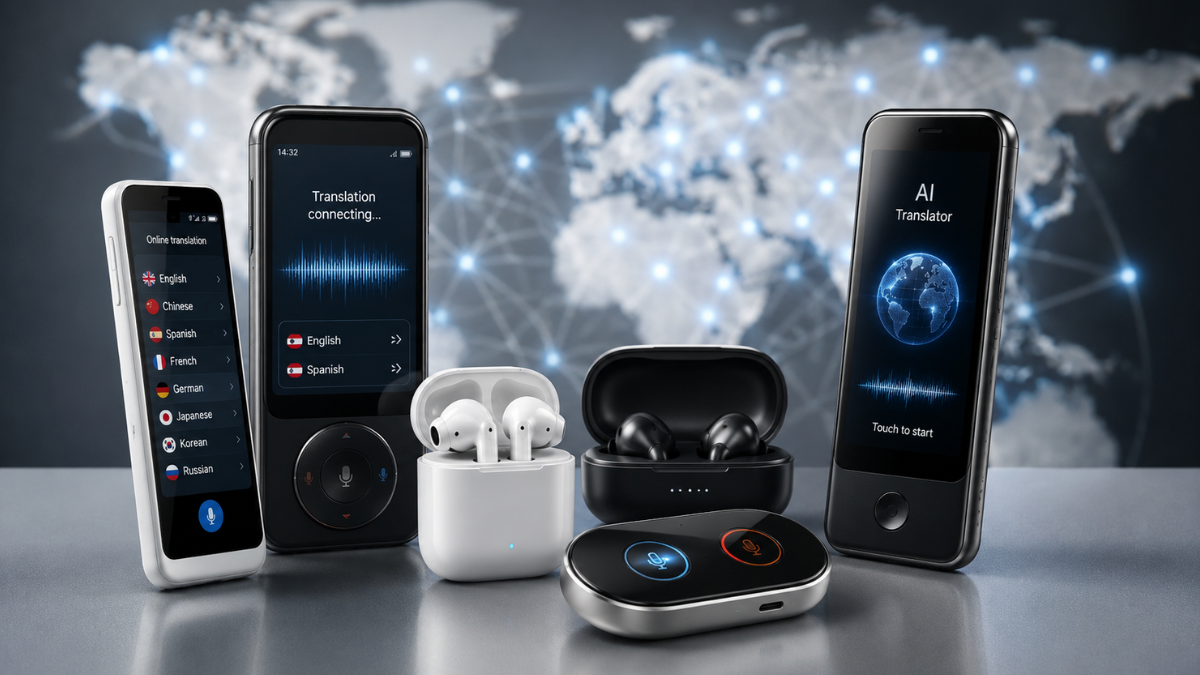
AI translator devices are portable gadgets that use artificial intelligence, speech recognition, and machine translation technology to translate conversations in real time.
Modern AI translator devices in 2026 offer faster processing, higher language accuracy, offline translation options, and support for dozens of languages, making them valuable tools for travelers, business professionals, and language learners.
Language barriers have become much easier to overcome thanks to advances in artificial intelligence. Just a few years ago, travelers often relied on phrasebooks or basic translation apps that struggled with accents, context, and natural speech. Today, AI translator devices can process conversations almost instantly and provide surprisingly accurate translations.
According to research published by Statista, global spending on AI-powered technologies continues to grow rapidly as consumers adopt smarter personal devices for communication and productivity. Translation technology is one of the fastest-improving categories, driven by advances in machine learning and natural language processing.
Whether you’re traveling abroad, attending international business meetings, or learning a new language, understanding which AI language translator fits your needs can help reduce misunderstandings and improve communication.
This comparison explores the best AI translator devices available today, their strengths, weaknesses, and which users benefit most from each option.
What Are AI Translator Devices?
AI translator devices are portable electronic devices that use artificial intelligence to translate spoken conversations, text, or images between multiple languages in real time.
Unlike traditional dictionaries or basic translation software, modern devices analyze speech patterns, context, and sentence structure before generating translations.
Most modern language translator devices support:
- Real-time voice translation
- Text translation
- Image translation
- Offline translation
- Multiple language support
- AI-assisted speech recognition
These capabilities make them useful in travel, business, education, and customer service environments.
Why AI Translator Devices Are Becoming More Popular
Several trends are driving the demand for portable translator devices.
International Travel Is Increasing
As global travel continues to recover and expand, travelers frequently encounter language barriers in airports, hotels, restaurants, and transportation systems.
A reliable travel translator can help users communicate more confidently without depending entirely on smartphones or internet connections.
AI Translation Accuracy Has Improved
Modern machine translation models are significantly more accurate than previous generations.
Research from MIT Technology Review has highlighted advances in AI systems that improve language understanding, context recognition, and conversational processing.
Faster Real-Time Communication
Today’s instant translator devices often deliver translations within seconds, allowing natural conversations without long delays.
The main advantage of AI translator devices is their ability to provide fast, natural, real-time communication between people who speak different languages.
AI technology is expanding beyond translation devices into many areas of everyday life, including connected homes and intelligent automation. Learn more in our guide to AI gadgets for smart homes.
AI Translator Devices Compared
The following devices represent some of the most recognized options available for consumers.
| Device Type | Best For | Key Advantage | Offline Support |
|---|---|---|---|
| Dedicated Translator Device | Frequent Travelers | Fast translation performance | Yes |
| Translation Earbuds | Conversations | Hands-free communication | Limited |
| AI Translation Smartphone Devices | Everyday Users | Convenience | Varies |
| Business Translation Devices | Professionals | Higher language accuracy | Yes |
| Hybrid Translator Devices | Travel and Work | Balanced feature set | Yes |
Dedicated AI Language Translators
Dedicated translator devices are designed specifically for language translation.
Advantages include:
- Faster processing
- Long battery life
- Optimized translation software
- Better microphone quality
These devices often support dozens of languages and dialects.
Translation Earbuds
Translation earbuds have become increasingly popular.
They allow users to:
- Listen to translations directly
- Conduct natural conversations
- Reduce the need to hold a device
However, accuracy can vary depending on background noise and internet connectivity.
Smartphone-Based Translation Devices
Many users prefer portable translator solutions integrated with smartphones.
Benefits include:
- Lower cost
- Easy updates
- Familiar interface
The downside is that smartphones often rely more heavily on internet connections for optimal performance.
Key Features to Look For
Not all AI translator devices offer the same capabilities.
Before evaluating AI translator devices, consider the following features.
Language Support
The number of supported languages matters.
Some devices support:
- 40 languages
- 70 languages
- More than 100 languages
If you travel frequently, broad language support is important.
Offline Translation
Offline translator functionality can be extremely valuable.
Benefits include:
- No roaming fees
- Use in remote areas
- Greater reliability
Many experienced travelers consider offline translation one of the most important features.
Translation Speed
Response time affects conversation flow.
A high-quality voice translator device should provide translations within a few seconds.
Accuracy
Translation quality depends on:
- AI model quality
- Context recognition
- Accent handling
- Speech clarity
Battery Life
Travelers often spend long days away from charging opportunities.
Look for devices offering:
- Full-day battery performance
- USB-C charging
- Fast charging support
AI Translator Devices vs Smartphone Apps
Many people wonder whether a dedicated device is necessary.
Dedicated Translator Device Advantages
- Better microphones
- Faster processing
- Longer battery life
- Offline capabilities
- Optimized translation interface
Smartphone App Advantages
- Lower upfront cost
- Multi-purpose device
- Frequent software updates
AI Translator Devices vs Smartphone Apps Comparison
| Feature | Translator Device | Smartphone App |
|---|---|---|
| Offline Translation | Excellent | Varies |
| Battery Efficiency | High | Moderate |
| Travel Convenience | High | Moderate |
| Initial Cost | Higher | Lower |
| Dedicated Translation Quality | Better | Good |
A dedicated AI translator device can provide advantages such as better offline translation, longer battery life, and dedicated voice recognition features compared with many smartphone translation apps.
Who Can Benefit From an AI Translator Device?
Not everyone needs a dedicated language translator.
These devices provide the most value for:
Frequent Travelers
People who regularly visit countries where they do not speak the local language often benefit significantly.
Business Professionals
International meetings require precise communication.
A portable translator can reduce misunderstandings and improve efficiency.
Language Learners
Students can use translator devices to:
- Practice pronunciation
- Improve listening comprehension
- Learn vocabulary
Customer Service Teams
Hotels, tourism companies, and international businesses often use translator devices to assist customers.
Common Mistakes When Choosing a Translator Device
Focusing Only on Language Count
Supporting 100 languages sounds impressive.
However, translation quality matters more than quantity.
Ignoring Offline Features
Many buyers discover too late that their chosen device requires internet access for key functions.
Overlooking Battery Life
A device that requires frequent charging may become frustrating during travel.
Choosing Based Only on Price
Cheaper devices sometimes sacrifice:
- Microphone quality
- Translation speed
- AI accuracy
A slightly higher investment often results in a much better user experience.
Future of AI Translator Devices
Translation technology continues to improve rapidly.
Several trends are shaping the future:
More Natural Conversations
Future AI systems will better understand:
- Context
- Tone
- Regional dialects
- Idiomatic expressions
Improved Offline AI Models
According to developments discussed by Google AI Research, more powerful AI models are increasingly being optimized to run directly on devices.
This could significantly improve privacy and performance.
Wearable Translation Technology
Translation earbuds and smart glasses may eventually become the preferred format for real-time communication.
Multimodal Translation
Future systems may simultaneously translate:
- Speech
- Text
- Images
- Visual signs
This could create seamless communication experiences across different environments.
AI translator devices are just one example of how artificial intelligence is creating practical tools for everyday users. Explore more innovative technologies in our guide to the best AI gadgets worth buying in 2026.
Conclusion
AI translator devices have evolved from niche gadgets into practical tools for travel, business, and education. Modern devices provide real-time translation, offline capabilities, improved speech recognition, and support for dozens of languages.
The best choice depends largely on how you plan to use the device. Frequent travelers often benefit from dedicated translator devices, while casual users may find smartphone-based solutions sufficient. Translation earbuds are also becoming an attractive option for hands-free conversations.
As artificial intelligence continues to improve, AI translator devices will likely become even faster, more accurate, and more natural to use. For anyone who regularly interacts with people from different language backgrounds, using a quality translator device can be a worthwhile decision.
AI Translator Devices FAQ
Are AI translator devices accurate?
Most modern AI translator devices provide high accuracy for common languages and everyday conversations. Accuracy can vary depending on accents, background noise, and technical vocabulary.
Do AI translator devices work offline?
Many advanced devices support offline translation for selected languages. Offline functionality is especially useful for travel in areas with limited internet access.
Are translator devices better than smartphone apps?
Dedicated translator devices typically offer better microphones, longer battery life, and stronger offline performance. Smartphone apps are more affordable and convenient for occasional use.
What is the best AI translator device for travel?
The best travel translator depends on your needs, but devices with offline translation, long battery life, and broad language support are generally preferred.
Can translator devices translate conversations in real time?
Yes. Most modern voice translator devices can process spoken language and provide translations within seconds, enabling natural conversations.
How many languages do AI translator devices support?
Many devices support between 40 and 100+ languages. Support levels vary depending on the manufacturer and translation platform.
Are translation earbuds worth considering?
Translation earbuds can be very useful for travelers and business professionals who want hands-free communication. However, their effectiveness depends on translation quality and environmental conditions.