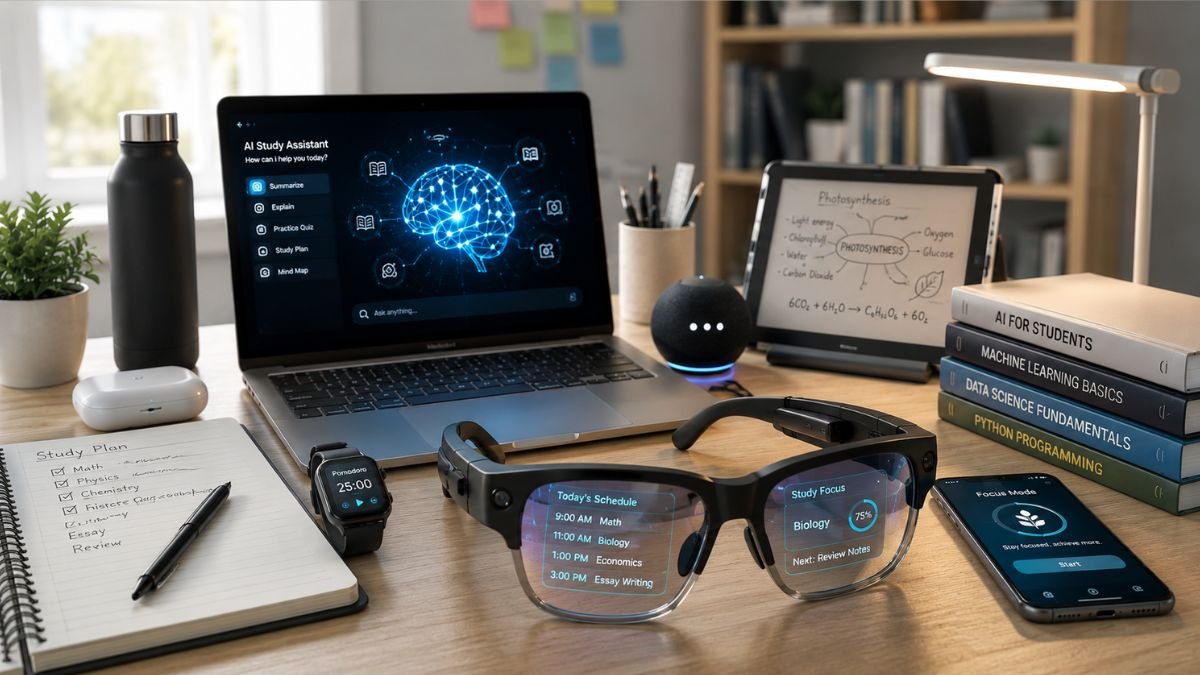
AI gadgets for students are smart devices designed to improve learning, organization, productivity, and academic performance.
Popular AI gadgets for students in 2026 include AI-powered study tools, smart note-taking devices, intelligent voice assistants, and productivity-focused technology that helps learners manage coursework more efficiently while reducing repetitive tasks through modern educational technology. Microsoft Education
Students today face a unique challenge: they have access to more information than any previous generation, yet managing that information effectively has become increasingly difficult.
Between assignments, lectures, research projects, exams, and extracurricular activities, staying organized requires more than traditional notebooks and calendars.
This is where AI gadgets for students are making a significant difference. According to data from Statista, the adoption of AI-powered consumer technology continues to grow rapidly across education, productivity, and personal development sectors.
These student-focused devices are part of a wider ecosystem of intelligent technology. Explore more innovations in our complete guide to AI gadgets worth buying in 2026.
Students are increasingly using smart devices to streamline learning, improve focus, and optimize study routines.
The best educational technology doesn’t replace learning—it enhances it. Modern AI-powered study gadgets can help students organize information, automate repetitive tasks, improve note-taking, and provide personalized learning support.
Whether you’re a high school student, college learner, or graduate researcher, the right technology can make studying more effective and less stressful.
What Are AI Gadgets for Students?
AI gadgets for students are devices that use artificial intelligence to assist with learning, productivity, organization, and academic performance.
Unlike traditional educational tools, AI-powered devices can adapt to user behavior, automate routine tasks, and provide intelligent assistance.
Common categories include:
- AI study tools
- Smart note-taking devices
- AI voice assistants
- Smart displays
- AI productivity gadgets
- Wearable learning devices
- Digital learning gadgets
The goal is simple: help students spend less time managing information and more time understanding it.
AI gadgets for students combine artificial intelligence with practical hardware to improve learning efficiency, organization, and academic productivity.
Why Students Are Adopting AI-Powered Learning Tools
Several educational trends have increased demand for AI academic tools.
Information Overload
Students often manage:
- Multiple courses
- Research materials
- Lecture notes
- Deadlines
- Group projects
AI learning tools help organize and prioritize information more effectively.
Hybrid and Online Learning
Digital education continues to expand.
According to research from UNESCO, technology integration remains a key factor in improving educational accessibility and flexibility worldwide.
AI-powered devices support both in-person and remote learning environments.
Productivity Challenges
Many students struggle with:
- Time management
- Organization
- Focus
- Note-taking
Smart student gadgets can address these challenges through automation and intelligent assistance.
Types of AI Gadgets for Students
Not every student needs the same technology. The most useful device depends on individual learning styles and academic goals.
AI Note-Taking Devices
One of the most valuable categories is smart note-taking technology.
Modern devices can:
- Transcribe lectures
- Organize notes automatically
- Create searchable records
- Generate summaries
Smart note-taking technology is becoming one of the most useful types of AI productivity gadgets, helping students organize information and manage academic workloads more efficiently.
For students attending multiple classes, these capabilities can save hours every week.
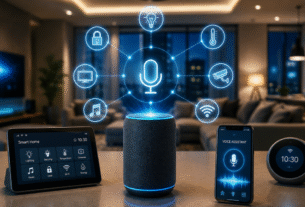
AI Voice Assistants
AI-powered assistants help students:
- Set reminders
- Manage schedules
- Create study plans
- Access information quickly
Voice assistants are especially useful for multitasking and maintaining study routines.
Voice-based AI technology is also changing how people interact with smart devices. Learn more in our guide to AI voice assistants.
Smart Displays
Smart displays combine visual and voice-based productivity features.
Benefits include:
- Calendar management
- Study schedules
- Task tracking
- Video conferencing
These devices often function as academic command centers for students.
AI Productivity Gadgets
Productivity-focused technology can help students manage complex workloads.
Examples include:
- Smart planners
- AI scheduling assistants
- Focus-enhancing devices
- Workflow automation tools
Comparison of Popular AI Gadgets for Students
| Gadget Type | Primary Benefit | Best For |
|---|---|---|
| AI Note-Taking Device | Lecture organization | College students |
| AI Voice Assistant | Scheduling and reminders | All students |
| Smart Display | Productivity management | Remote learners |
| Wearable Technology | Time management | Busy students |
| AI Productivity Gadget | Workflow optimization | Advanced learners |
This comparison highlights how different devices address different educational needs.

How AI Gadgets Improve Academic Performance
Technology alone does not guarantee better grades.
However, effective tools can remove many obstacles that interfere with learning.
Better Organization
Students often lose valuable time searching for information.
AI devices help centralize:
- Notes
- Assignments
- Deadlines
- Resources
Improved Focus
Certain smart learning devices are designed to minimize distractions.
Features may include:
- Focus timers
- Task prioritization
- Notification management
Faster Information Retrieval
AI-powered tools can quickly locate:
- Notes
- Study materials
- Calendar events
- Research documents
This reduces friction during study sessions.
The biggest benefit of AI gadgets for students is not replacing learning—it is removing organizational barriers that prevent effective studying.
Best AI Gadgets for Different Types of Students
High School Students
High school learners often benefit from:
- AI voice assistants
- Smart planners
- Educational tablets
- Organization tools
College Students
College environments typically require more advanced solutions.
Useful options include:
- AI note-taking devices
- Productivity hubs
- Smart displays
- Research organization tools
Graduate Students
Graduate-level learners frequently manage large volumes of information.
AI academic tools can assist with:
- Research organization
- Project management
- Scheduling
- Information retrieval
Potential Limitations of AI Study Tools
Despite their advantages, AI-powered gadgets have limitations.
Cost
Some advanced devices can be expensive.
Students should evaluate whether a gadget solves a meaningful problem before investing.
Learning Curve
Certain technologies require setup and customization.
The most sophisticated tools often take time to master.
Dependency Risks
Students should avoid relying entirely on technology.
Strong study habits remain essential regardless of the tools being used.
According to educational technology research published by MIT Technology Review, the most successful implementations combine human learning strategies with intelligent technology rather than replacing traditional study skills.
Future Trends in AI Education Technology
The next generation of educational technology is expected to become even more personalized.
These innovations are part of a broader movement toward next-generation consumer technology. Explore more examples in our guide to future technology gadgets.
Adaptive Learning Systems
Future AI systems may automatically adjust learning materials based on:
- Performance
- Learning pace
- Knowledge gaps
Smarter Academic Assistants
AI assistants will likely become more capable of helping students manage complex educational tasks.
Greater Device Integration
Educational ecosystems may connect:
- Laptops
- Tablets
- Wearables
- Smart displays
- AI assistants
into a seamless learning environment.
Personalized Study Recommendations
AI could provide increasingly accurate recommendations regarding:
- Study schedules
- Review sessions
- Learning resources
based on individual habits and performance.
How to Choose the Right AI Gadget for School
Before evaluating any device, students should ask:
- What academic challenge am I trying to solve?
- Will this device save time?
- Does it integrate with my existing tools?
- Will I actually use it regularly?
- Does it fit my budget?
The best AI gadget is not necessarily the most advanced. It is the one that solves a real problem and fits naturally into a student’s workflow.

Conclusion
AI gadgets for students are transforming the way people learn, organize information, and manage academic responsibilities.
From smart note-taking devices and AI voice assistants to productivity-focused tools and intelligent learning platforms, these technologies can help students work more efficiently and stay organized.
Wearable AI devices are also becoming valuable tools for learning and productivity. Discover more about this category in our guide to AI smart glasses.
While technology should never replace critical thinking or effective study habits, the right AI-powered devices can remove many common obstacles to academic success.
As educational technology continues to evolve, students who learn to use these tools effectively may gain significant advantages in productivity, organization, and learning efficiency.
AI Gadgets for Students FAQ
What are AI gadgets for students?
AI gadgets for students are devices that use artificial intelligence to support learning, organization, note-taking, scheduling, and productivity in educational environments.
Are AI gadgets useful for studying?
Yes. Many AI-powered study tools help students organize information, manage schedules, improve focus, and streamline academic workflows.
Which AI gadgets are useful for college students?
AI note-taking devices, productivity assistants, and smart displays are among the most useful options because they help manage lectures, assignments, and research materials.
Can AI gadgets improve grades?
AI gadgets do not directly improve grades, but they can enhance organization, reduce distractions, and improve study efficiency, which may contribute to better academic performance.
Are AI study tools expensive?
Prices vary widely. Some AI tools are available through affordable apps and devices, while more advanced hardware can require a larger investment.
Do AI learning devices work offline?
Some devices offer offline functionality, but many advanced AI features require internet connectivity for optimal performance.
What is the future of AI in education?
Future educational technology is expected to provide more personalized learning experiences, adaptive study systems, and deeper integration between devices and learning platforms.