Blog

RGB gaming keyboards

RGB Gaming Keyboards Explained

RGB gaming keyboards use customizable red, green, and blue LED lighting to create different colors, illuminate individual keys, and produce visual effects. Depending on their design, they may support per-key customization, zone-based lighting, animated effects, and software-controlled profiles. Understanding these features helps users distinguish basic keyboard illumination from more advanced RGB technology. Gaming keyboards have […]

Continue Reading...
AI gadgets and consumer technology

AI Gadgets Explained: How Artificial Intelligence Is Changing Consumer Technology

AI gadgets are consumer electronic devices that use artificial intelligence to interpret information, recognize patterns, make predictions, or generate responses. They include smart speakers, AI wearables, connected cameras, home robots, and intelligent assistants. Their capabilities depend on specialized software, sensors, processors, and AI models working together. Artificial intelligence is changing what people expect from everyday […]

Continue Reading...
health monitoring wearables

Health Monitoring Wearables Explained

Health monitoring wearables are electronic devices that use sensors to collect information about your body, physical activity and daily routines. They can track measurements such as heart rate, sleep patterns, blood oxygen estimates and skin temperature. By combining sensor data with software, these devices help users understand personal health trends without replacing medical testing or […]

Continue Reading...
security-cameras

Security Cameras: How They Work, Types and Key Features

Security cameras are connected devices that capture video, detect activity, and help homeowners monitor their properties. Modern systems can provide live video streaming, motion alerts, night vision, two-way audio, and video storage through cloud platforms or local recording devices. Understanding how these technologies work helps homeowners make informed decisions about home monitoring, connectivity, and privacy. […]

Continue Reading...
usb c accessories

USB-C Accessories Explained for Modern Devices

USB-C accessories include cables, chargers, adapters, hubs, headphones, and storage devices that connect through a USB Type-C port. However, the same connector does not guarantee identical charging speeds, data transfer rates, or video capabilities. Understanding these differences helps you choose compatible accessories for your phone, tablet, or computer. USB-C has simplified how people connect modern […]

Continue Reading...
smart rings

Smart Rings Explained: How They Work, Features and Limitations

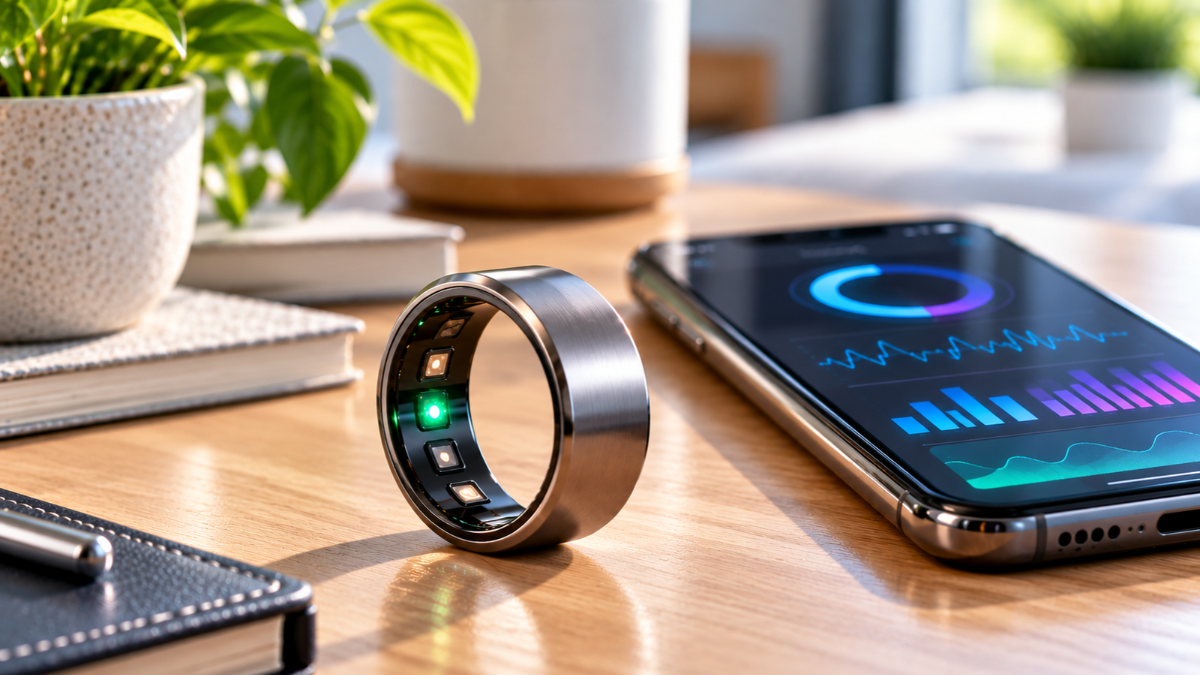
Smart rings are small wearable devices that use optical, temperature, and motion sensors to track sleep, heart rate, activity, and recovery-related patterns. They collect information throughout the day and night, then use smartphone applications to turn sensor readings into understandable insights. Their main advantage is discreet monitoring, although accuracy and available features vary between devices. […]

Continue Reading...
smart lighting

Smart Lighting Explained: Home Automation Basics

Smart lighting is a connected lighting system that lets you control lights remotely, adjust brightness or color, and automate when lights turn on or off. Depending on the equipment, it can use schedules, sensors, wireless networks, and smart home platforms to make everyday lighting more convenient and responsive. A traditional light switch provides straightforward manual […]

Continue Reading...
portable chargers

Portable Chargers Explained: How They Work, Capacity, Charging Speed and Safety

Portable chargers, also called power banks, are rechargeable batteries that store energy for smartphones, tablets, and other electronics when a wall outlet is unavailable. Their performance depends on stored energy (Wh), battery capacity (mAh), output power (W), charging protocols, and device compatibility. Understanding these specifications helps you estimate real charging performance and use power banks […]

Continue Reading...
fitness trackers

Fitness Trackers Explained

Fitness trackers are wearable devices that monitor physical activity and, depending on the model, measure or estimate metrics such as steps, heart rate, sleep patterns, distance, and calories burned. They use sensors and companion apps to turn movement and other signals into understandable data, helping users recognize activity patterns and build more consistent everyday habits. […]

Continue Reading...
smartwatch technology

Smartwatch Technology Explained

Smartwatch technology combines sensors, processors, software, displays, and wireless connectivity to deliver features beyond traditional timekeeping. Depending on the model, a smartwatch can track physical activity, estimate heart rate, record GPS routes, display notifications, run applications, and support selected health-monitoring functions. These capabilities depend on how the device’s hardware and software work together. Sensors collect […]

Continue Reading...