Last updated on November 2nd, 2026 at 08:00 pm
Wearable technology refers to smart electronic devices worn on the body that collect data, connect with digital systems, and help users monitor health, fitness, communication, and daily activities.
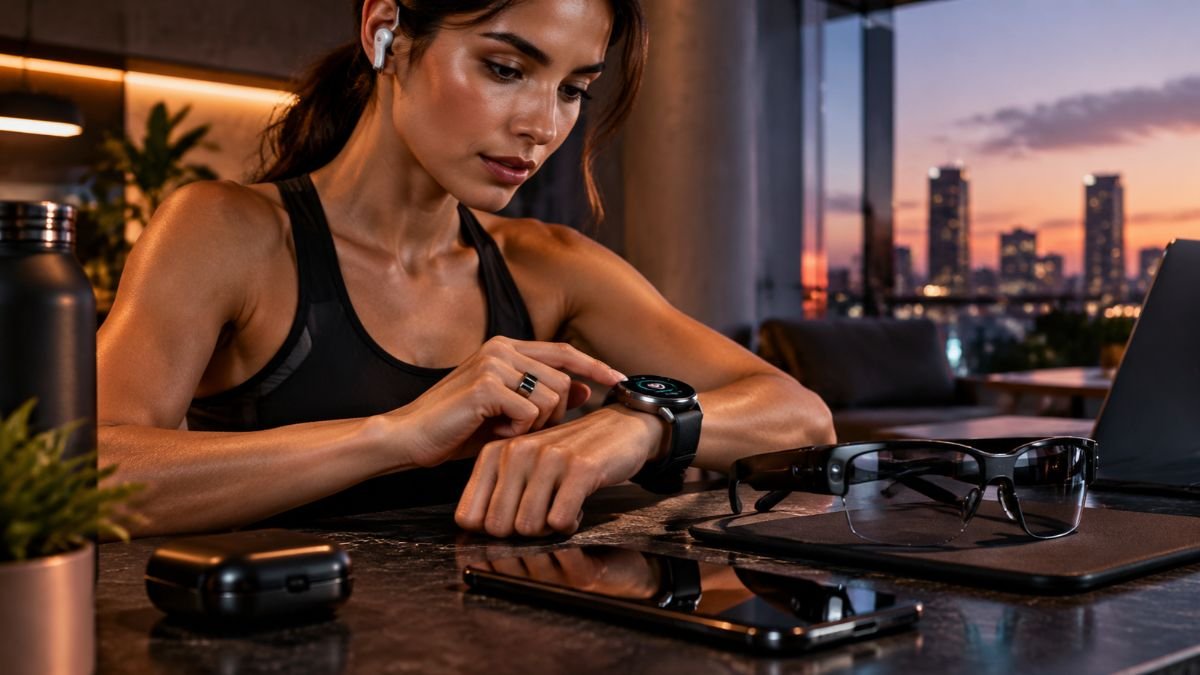
These devices include smartwatches, fitness trackers, smart rings, smart glasses, and health monitoring devices that help people track activities, improve productivity, and manage everyday tasks.
Technology is becoming smaller, smarter, and more connected. Devices that once required a desk, smartphone, or computer can now be worn directly on the body, allowing users to access information and monitor personal data wherever they go.
This evolution has created a rapidly growing category known as wearable technology.
From tracking daily steps and sleep patterns to monitoring heart rate and supporting hands-free communication, wearable devices are becoming part of everyday routines for millions of people.
According to market research from Statista, the global wearable devices market continues expanding as consumers adopt smartwatches, fitness trackers, and health-focused devices for personal use.
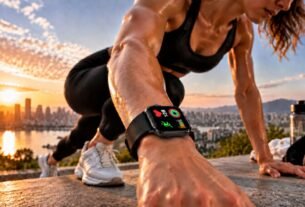
Modern wearables are no longer limited to counting steps. Devices such as the Apple Watch combine health monitoring, communication features, safety tools, and smart assistant capabilities into a single device worn on the wrist.
However, wearable technology is more than just smartwatches. The category includes multiple types of devices designed for different purposes, including fitness, healthcare, workplace productivity, entertainment, and future computing experiences.
Understanding how wearable technology works, what benefits it provides, and where its limitations exist helps consumers make better decisions when exploring this growing technology category.
What Is Wearable Technology?
Wearable technology describes electronic devices that users can wear on their body to perform digital functions, collect information, or interact with connected systems.
Unlike traditional electronics such as laptops or smartphones, wearable devices are designed to operate while moving with the user throughout daily activities.
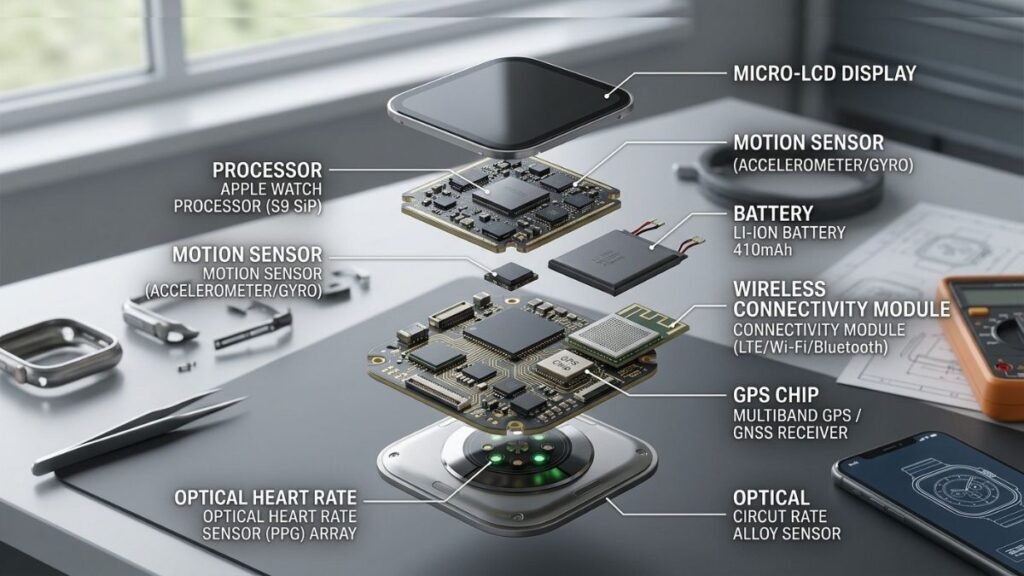
A wearable device usually combines several technologies:
- Sensors that collect physical information
- Small processors that analyze data
- Wireless connectivity such as Bluetooth or Wi-Fi
- Software applications that display information
- Batteries designed for portable use
A smartwatch, for example, can measure movement, estimate exercise performance, receive notifications, and communicate with a smartphone without requiring users to constantly check another device.
How Is Wearable Technology Different From Regular Devices?
The main difference is the relationship between the user and the technology.
Traditional devices are usually separate tools that users interact with when needed. Wearable devices are designed to stay connected and continuously collect information throughout daily activities.
For example:
| Traditional Technology | Wearable Technology |
|---|---|
| Smartphone checked manually | Smartwatch provides quick notifications |
| Fitness information entered manually | Sensors automatically track activity |
| Health data collected occasionally | Continuous monitoring possible |
| Device stays in pocket or on desk | Device moves with the user |
This constant connection allows wearable technology to provide more personalized experiences.
How Does Wearable Technology Work?
Wearable technology works by combining sensors, computing components, software, and wireless communication systems inside compact devices.
These systems depend on advanced electronics and sensor technologies that allow devices to collect information about movement, health metrics, and environmental conditions.
Organizations such as the Institute of Electrical and Electronics Engineers (IEEE) support research and development in areas related to electronics, sensors, and connected technologies.
The process usually follows four steps:
- Sensors collect information from the user or environment.
- The device processes the collected data.
- Software analyzes the information.
- Results are displayed through an app or device interface.
For example, a fitness tracker can detect movement through motion sensors, analyze activity patterns, and provide users with information about steps, workouts, and estimated calories burned.
Modern wearable devices depend heavily on advanced sensor technology. Organizations such as the Institute of Electrical and Electronics Engineers (IEEE) study and publish research related to electronics, sensors, and connected technologies that support modern wearable systems.
What Sensors Are Used In Wearable Devices?
Different wearable devices use different sensors depending on their purpose.
Common wearable sensors include:
- Accelerometers for detecting movement
- Gyroscopes for measuring orientation
- Optical sensors for heart rate monitoring
- GPS sensors for location tracking
- Temperature sensors for body measurements
- Blood oxygen sensors in some health-focused devices
The combination of these sensors allows wearable technology to understand user activity and provide useful information.
What Are the Main Types of Wearable Technology?
Wearable technology has expanded far beyond traditional fitness trackers. Today, wearable devices serve different purposes, from improving personal health awareness to enhancing productivity and creating new ways to interact with digital environments.
The growth of wearable technology has created several categories of devices designed for different lifestyles and user needs.
| Wearable Technology Type | Main Purpose | Common Examples |
|---|---|---|
| Smartwatches | Communication, health tracking, notifications | Apple Watch, Samsung Galaxy Watch |
| Fitness Trackers | Activity and workout monitoring | Fitbit devices, Garmin trackers |
| Smart Rings | Sleep and wellness tracking | Oura Ring, Samsung Galaxy Ring |
| Smart Glasses | Augmented reality, digital information, and hands-free computing | AI glasses, AR glasses |
| Medical Wearables | Health monitoring and patient support | Heart monitors, glucose monitoring devices |
| Smart Clothing | Performance tracking through connected fabrics | Smart fabrics, athletic clothing, and embedded sensors |
Each category focuses on solving different user problems.
A runner may need GPS tracking and performance data, while someone interested in wellness may prioritize sleep monitoring and daily health insights.
Understanding these categories helps consumers choose technology based on their personal goals rather than simply following trends.

Smartwatches: The Most Popular Wearable Technology Devices
Smartwatches are currently one of the most recognized forms of wearable technology.
Devices such as the Apple Watch combine health tracking, communication features, safety tools, and smart assistant capabilities into a device designed for everyday use.
They combine features from smartphones, fitness trackers, and personal assistants into a single device worn on the wrist.
To understand the technology behind these features, read our guide to how smartwatch technology works, including sensors, GPS, connectivity, and battery systems.
Modern smartwatches can provide:
- Health and fitness tracking
- Phone notifications
- Voice assistants
- GPS navigation
- Emergency features
- Contactless payments
- Music controls
Modern smartwatches combine hardware sensors with operating systems designed specifically for wearable devices. Platforms such as Wear OS by Google allow compatible smartwatches to run applications, provide health insights, support notifications, and connect with other digital services.
Many users choose smartwatches because they provide quick access to important information without constantly checking their phones.
A smartwatch can act as a daily companion by showing messages, tracking activity, monitoring health metrics, and helping users complete simple tasks faster.
How Do Smartwatches Track Health Data?
Smartwatches use multiple sensors to collect information about the user’s body and activity.
Common measurements include:
- Heart rate
- Daily movement
- Workout intensity
- Sleep patterns
- Blood oxygen levels
- Body temperature changes
These features allow users to understand trends in their health and lifestyle.
However, wearable health tracking should be viewed as a personal awareness tool rather than a replacement for professional medical equipment.
The value of wearable health technology comes from continuous information. Instead of seeing only occasional measurements, users can observe patterns over days, weeks, and months.
Fitness Wearables: How Technology Supports Active Lifestyles
Fitness-focused wearable technology helps users understand their physical activity and develop healthier habits. Devices designed for athletes and outdoor enthusiasts often include advanced features such as GPS tracking, performance analysis, and training metrics.
Brands like Garmin are widely recognized for creating fitness-focused wearables designed for running, cycling, outdoor activities, and performance tracking.
These devices help users monitor daily movement, exercise duration, heart rate, and other activity metrics. To learn more about how they work, explore our guide to fitness trackers, including their main features, sensors, and measurement capabilities.
These devices are popular among:
- Runners
- Cyclists
- Gym users
- Outdoor enthusiasts
- People starting fitness routines
A fitness wearable can track:
- Steps
- Distance traveled
- Exercise duration
- Calories burned
- Training intensity
- Recovery information
Unlike traditional fitness methods that depend mostly on personal estimation, wearable devices provide measurable feedback that helps users understand their progress.
For example, someone training for a marathon can use wearable technology to monitor running distance, pace, heart rate, and recovery between workouts.
Garmin develops wearable devices focused on athletes and outdoor activities, including advanced GPS tracking and performance measurements. More information about these features is available through Garmin wearable devices.
Why Do Athletes Use Wearable Technology?
Athletes use wearable technology because it provides measurable information about training and performance.
Instead of relying only on personal feelings, users can analyze:
- How hard they trained
- How their body responded
- Whether they need additional recovery
- How performance changes over time
This data-driven approach has made wearable technology increasingly popular in professional sports and everyday fitness communities.
Wearables are especially useful because they create long-term records. A single workout provides limited information, but weeks or months of data can reveal important patterns.
Wearable Technology in Healthcare: How Smart Devices Are Changing Medicine
Healthcare is one of the most important areas where wearable technology is creating new possibilities.
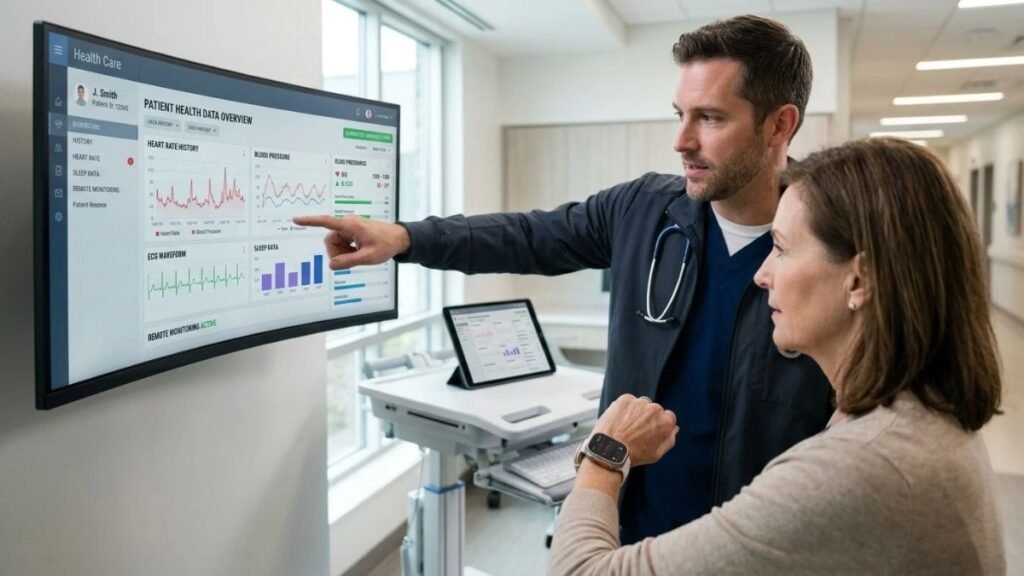
Medical and health-focused wearables can collect continuous information that may support patients, healthcare providers, and researchers.
Examples include:
- Heart rhythm monitoring devices
- Continuous glucose monitoring systems
- Fall detection devices
- Remote patient monitoring tools
- Smart health sensors
Different wearable devices use various sensors to collect health-related information during everyday activities. To understand how these technologies measure heart rate, blood oxygen levels, sleep patterns, and other physiological indicators, explore our guide to health monitoring wearables.
Traditional healthcare measurements often happen during scheduled appointments.
Wearable devices create another possibility by collecting information during normal daily activities.
This allows users and healthcare professionals to better understand changes over time.
How Is Wearable Technology Used in Healthcare?
Healthcare wearable devices help by providing continuous data instead of occasional measurements.
As wearable health technology continues developing, regulatory organizations such as the U.S. Food and Drug Administration (FDA) provide guidance and oversight for certain digital health technologies and medical devices.
For example:
A patient may visit a clinic and receive a health measurement at one specific moment. A wearable device can collect information across many hours or days.
This difference allows technology to identify patterns that may not appear during a single appointment.
Common healthcare applications include:
- Monitoring heart activity
- Tracking movement and rehabilitation progress
- Supporting elderly care
- Detecting potential safety concerns
- Managing chronic health conditions
Wearable healthcare technology continues developing as sensors become smaller, more accurate, and easier to integrate into everyday devices.
Wearable Technology for Sports Performance
Sports-focused wearable technology has become an important tool for athletes who want deeper insights into their training.
Advanced sports wearables often include:
- GPS tracking
- Heart rate monitoring
- Training load analysis
- Recovery recommendations
- Performance statistics
- Environmental measurements
How Does Wearable Technology Improve Training?
Wearable devices help athletes understand the relationship between effort and performance.
A runner, for example, can analyze:
- Running speed
- Distance
- Heart rate zones
- Recovery time
- Training consistency
This information helps users adjust workouts based on measurable data instead of guessing.
For professional athletes, small improvements in training decisions can have significant effects on performance.
For everyday users, the biggest benefit is often motivation and awareness.
Wearable Technology for Sleep Tracking
Sleep tracking has become one of the fastest-growing uses of wearable devices.
Many smartwatches and smart rings analyze sleep patterns by monitoring:
- Sleep duration
- Sleep stages
- Heart rate changes
- Movement during sleep
- Breathing patterns
Sleep tracking helps users understand their habits and identify possible areas for improvement.
Are Wearable Sleep Trackers Accurate?
Wearable sleep trackers can provide useful estimates about sleep habits, but they are not the same as professional sleep laboratory equipment.
Their strongest value is helping users identify patterns.
For example, a wearable device may help someone notice:
- They sleep fewer hours during weekdays
- Their sleep schedule changes frequently
- Their activity levels affect their rest
The information can encourage better lifestyle decisions.
However, users should understand that consumer wearable devices have limitations and should not be considered medical diagnostic tools.
Smart Rings: The Growth of Smaller Wearable Devices
Smart rings represent a newer direction in wearable technology. Unlike smartwatches, smart rings focus on a smaller and more discreet design, making them comfortable for continuous use.
These compact devices focus on health, wellness, and activity tracking while offering a screen-free experience for users who prefer minimal and less intrusive wearable technology.
Devices such as the Oura Ring demonstrate how compact wearable devices can be used for sleep tracking, activity monitoring, recovery insights, and wellness measurements.
These compact devices focus on health, wellness, and activity tracking while offering a more discreet alternative to traditional smartwatches.
Companies such as Samsung Galaxy Ring are expanding the wearable technology market by introducing smaller devices designed for continuous health and lifestyle monitoring.
Common smart ring features include:
- Sleep tracking
- Activity monitoring
- Recovery insights
- Wellness measurements
The biggest advantage of smart rings is comfort.
Some users prefer wearing a lightweight device that collects information without the screen, notifications, and larger design of traditional smartwatches.
As wearable technology continues evolving, smaller devices may become increasingly popular because they combine convenience with continuous tracking.
Smart Glasses: The Future of Wearable Technology
Smart glasses represent one of the most ambitious areas of wearable technology.
Unlike traditional glasses, smart glasses combine vision correction or protection with digital features such as cameras, displays, audio systems, artificial intelligence, and augmented reality capabilities.
The goal of smart glasses is to provide information while allowing users to keep their hands free.
Potential applications include:
- Navigation assistance
- Real-time translations
- Workplace support
- Photography and video recording
- Virtual meetings
- Augmented reality experiences
While early smart glasses faced challenges related to battery life, design, and consumer adoption, improvements in artificial intelligence and miniaturized hardware are increasing interest in this category.
How Do Smart Glasses Work?
Smart glasses combine several technologies inside a lightweight frame. Modern examples such as Ray-Ban Meta smart glasses combine cameras, audio systems, artificial intelligence features, and hands-free interaction to create a more natural way for users to access digital information.
Important components include:
- Cameras for capturing visual information
- Microphones for voice interaction
- Speakers for audio feedback
- Sensors for movement tracking
- Processors for handling information
- AI systems for understanding user commands
Unlike smartphones, smart glasses aim to deliver information directly within the user’s field of view.
This creates a more natural interaction between humans and digital technology.
For example, future smart glasses may help users identify objects, translate languages instantly, or receive directions without looking at a phone screen.
Wearable Technology in Daily Life
The biggest reason wearable technology continues growing is its ability to fit naturally into everyday routines.
Unlike many traditional gadgets, wearable devices are designed to become part of normal activities.
Common daily uses include:
- Checking notifications quickly
- Tracking exercise habits
- Monitoring sleep patterns
- Making payments
- Improving personal safety
- Controlling smart home devices
A smartwatch on someone’s wrist can provide useful information without interrupting daily activities.
This convenience is one of the strongest reasons consumers continue adopting wearable devices.
What Are the Benefits of Wearable Technology?
Wearable technology provides several practical benefits for consumers.
Better Health Awareness
One of the biggest advantages of wearable devices is continuous health and activity tracking.
Users can monitor:
- Daily movement
- Exercise habits
- Sleep quality
- Heart rate trends
- General wellness patterns
This information helps people become more aware of their lifestyle choices.
Increased Convenience
Wearable devices reduce the need to constantly check smartphones.
Users can quickly:
- Read messages
- Answer calls
- Check reminders
- Control music
- Access navigation
Small interactions become faster and easier.
Personalized Experiences
Modern wearable technology uses collected data to provide more personalized recommendations.
Examples include:
- Suggested activity goals
- Workout insights
- Sleep improvement suggestions
- Personalized notifications
The more users interact with their devices, the more customized the experience can become.
Improved Safety Features
Many wearable devices include safety-focused features.
Examples:
- Emergency calling
- Fall detection
- Location sharing
- Accident detection
These features can provide additional confidence, especially for older adults, outdoor users, and people who exercise alone.
What Are the Limitations of Wearable Technology?
Although wearable technology offers many benefits, users should also understand its limitations.
Battery Life
Most wearable devices require regular charging.
For users who need additional charging flexibility, understanding power bank technology can help explain how portable energy storage works and how devices can stay powered when access to outlets is limited.
Battery performance depends on:
- Screen usage
- Sensors being used
- GPS activity
- Connected features
Users who activate many advanced features may need to charge devices more frequently.
Data Privacy Concerns
Wearable devices collect large amounts of personal information.
This may include:
- Location data
- Health information
- Activity patterns
- Personal preferences
Consumers should understand how companies collect, store, and protect their information before using connected devices.
Accuracy Limitations
Wearable sensors continue improving, but they are not perfect.
Factors that can affect accuracy include:
- Device placement
- User movement
- Sensor quality
- Software calculations
Wearable technology should be viewed as a helpful measurement tool rather than an absolute source of information.
Are Wearable Devices Worth Using?
The value of wearable technology depends on the user’s goals.
For some people, wearable devices provide significant benefits.
Examples:
A fitness enthusiast may appreciate workout tracking and performance insights.
A busy professional may value quick notifications and productivity features.
A person interested in wellness may use sleep and activity tracking to understand daily habits.
However, someone who does not need continuous tracking or smart features may not find wearable technology necessary.
The best wearable device is not always the one with the most features. It is the one that solves a specific user problem.
How to Choose the Right Wearable Technology?
Choosing the right wearable technology depends on your personal goals, lifestyle, and the type of information you want to track.
With so many options available, consumers should focus on solving a specific need rather than choosing a device only because it has the most features.
The best wearable device is the one that fits naturally into your daily routine and provides useful information you will actually use.
Consider Your Main Goal
The first step is identifying why you want a wearable device.
Different users have different priorities:
- Fitness users may need accurate activity tracking, GPS, and workout analysis.
- Health-focused users may prefer devices with sleep tracking and wellness monitoring features.
- Professionals may value notifications, productivity tools, and hands-free communication.
- Outdoor users may prioritize durability, battery life, and navigation features.
Understanding your main purpose helps narrow down the right category of wearable technology.
Check Device Compatibility
Compatibility is one of the most important factors when choosing wearable technology.
Before purchasing a device, consider:
- Smartphone compatibility
- Available apps and software support
- Operating system requirements
- Integration with other smart devices
For example, some wearable devices work best within specific technology ecosystems, while others support multiple platforms.
A device that does not connect properly with your existing technology may limit its usefulness.
Understand Features and Limitations
More features do not always mean a better experience.
Consumers should evaluate which features provide real value and which ones they may rarely use.
Important areas to consider include:
- Battery life
- Sensor accuracy
- Comfort and design
- Data privacy settings
- Water resistance
- Software updates
A lightweight device with fewer features may be more useful than an advanced wearable that feels uncomfortable or requires frequent charging.
Think About Long-Term Use
Wearable technology works best when it becomes part of your regular habits.
Before choosing a device, ask:
- Will I wear it every day?
- Does it solve a problem I currently have?
- Are the tracked measurements meaningful to me?
- Will I continue using its features after the first few weeks?
The most valuable wearable devices are not necessarily the most expensive ones. They are the devices that provide useful insights and fit comfortably into everyday life.
The Future of Wearable Technology
The future of wearable technology will likely focus on making devices smaller, smarter, and more integrated into daily life.
Several areas are expected to continue developing:
Artificial Intelligence Integration
AI will play a larger role in wearable devices as companies continue developing smarter systems that can understand user behavior and provide more personalized experiences.
Publications such as MIT Technology Review regularly cover developments in artificial intelligence, emerging technologies, and innovations shaping the future of connected devices.
Future wearables may provide:
- More personalized recommendations
- Better voice assistance
- Real-time analysis
- Context-aware suggestions
Instead of simply collecting information, devices may become more capable of understanding user needs.

Advanced Health Monitoring
Health-focused wearables may continue improving through better sensors and software.
Future possibilities include:
- More detailed health measurements
- Improved remote monitoring
- Better wellness insights
- Earlier detection of changes
The goal is moving from simple tracking toward more meaningful health support.
More Natural Human-Technology Interaction
Future wearable technology may reduce dependence on screens.
Examples include:
- Smart glasses displaying information naturally
- Voice-controlled assistants
- Gesture-based controls
- AI-powered personal assistants
The long-term vision is technology that works more naturally with human behavior.
Wearable Technology Trends to Watch
Several trends are shaping the next generation of wearable devices.
| Wearable Technology Trend | Why It Matters |
|---|---|
| AI-powered wearables | Enables smarter, AI-powered and personalized user experiences |
| Health monitoring | Expands wearable technology beyond fitness into healthcare and preventive monitoring |
| Smart rings | Provides discreet health, sleep, and wellness tracking |
| Smart glasses | Enables augmented reality experiences and hands-free digital interaction |
| Connected clothing | Integrates sensors and smart technology into fabrics and clothing |
These developments show that wearable technology is becoming more than a category of gadgets.
It is becoming an important part of the broader connected technology ecosystem.
Conclusion
Wearable technoloThese developments show that wearable technology is becoming more than a category of gadgets.
It is becoming an important part of the broader connected technology ecosystem.gy has transformed from simple activity trackers into powerful connected devices that support health, communication, productivity, and everyday convenience.
Smartwatches, fitness trackers, smart rings, smart glasses, and healthcare wearables each serve different purposes, allowing consumers to choose technology based on their personal needs.
The biggest advantage of wearable devices is their ability to provide continuous information while fitting naturally into daily routines. However, users should also consider limitations such as battery life, privacy, and sensor accuracy.
As artificial intelligence, advanced sensors, and smaller hardware continue improving, wearable technology will become even more integrated into modern life.
Understanding how these devices work helps consumers make smarter decisions and prepare for the future of connected technology.
Explore our latest technology guides to understand how smart devices are changing everyday life.
Frequently Asked Questions (FAQ)
What is wearable technology?
Wearable technology refers to electronic devices designed to be worn on the body that collect information, connect with digital systems, and provide useful features such as health tracking, communication, and smart assistance.
What are examples of wearable technology devices?
Common examples include smartwatches, fitness trackers, smart rings, smart glasses, medical monitoring devices, and smart clothing with embedded sensors.
How does wearable technology improve fitness?
Wearable technology helps fitness users track activities such as steps, workouts, distance, heart rate, and recovery information, allowing them to better understand their performance and habits.
Is wearable technology safe to use?
Wearable technology is generally safe for everyday use. However, users should understand privacy settings, data collection practices, and the limitations of health-related measurements.
What is the future of wearable technology?
The future of wearable technology will likely include stronger artificial intelligence, improved health monitoring, smarter glasses, and devices that interact more naturally with users.
Can wearable technology replace medical devices?
Consumer wearable devices can provide useful health information but generally do not replace professional medical equipment. They are designed mainly for tracking, awareness, and personal insights.

I’m a Technology Editor at SmartGadgetWave with a passion for innovation, AI, and consumer technology. I enjoy exploring the latest gadgets, smart home devices, and wearable tech. My goal is to make technology easy to understand by sharing practical insights, honest perspectives, and helpful product comparisons so readers can make smarter tech decisions.